
Reveals Home Cooking Mistakes Costing Minutes
— 7 min read
Reveals Home Cooking Mistakes Costing Minutes
A recent test of six popular pizza reheating methods found that only one kept the slice as crispy as fresh-out-the-oven, proving the microwave is the biggest time-waster for pizza lovers. Microwaving a slice in 30 seconds may feel fast, but it turns a crisp crust into a soggy disappointment and forces you to waste minutes fixing texture.
Home Cooking
SponsoredWexa.aiThe AI workspace that actually gets work doneTry free →
Key Takeaways
- Budget-friendly meals can cut grocery bills without sacrificing nutrition.
- Influencers’ 15-minute guides rely on legumes and seasonal produce.
- Home-cooked meals often beat delivery services in satisfaction.
- Blue Apron rankings show diversity is possible on a budget.
When I started tracking my grocery receipts during the recent affordability crunch, I was amazed at how a simple shift to home cooking slashed my weekly spend. The "Recession Meals" campaigns highlighted on social media have helped families trim grocery bills while still meeting nutrition goals, according to the report titled ‘Recession Meals’ Destigmatize Home Cooking on a Budget.
In my own kitchen I swapped pricey chicken breasts for a pantry of lentils, chickpeas, and whatever veggies were in season. Influencers often post 15-minute meal guides that rely on those same staples, and I found that I could save roughly ten dollars each week without feeling hungry.
What surprised me most was the emotional payoff. Friends who switched from a popular meal-delivery service to cooking at home told me they felt more satisfied with each bite, echoing a 2026 consumer survey that showed higher satisfaction for home-cooked meals. The same survey also referenced Blue Apron's 2026 ranking, which praised home cooking for delivering dietary diversity without the cost of dining out.
All of these trends point to a simple truth: cooking at home doesn’t have to be a financial sacrifice, and it can actually boost your sense of well-being. The key is to plan, use inexpensive protein sources, and treat leftovers as opportunities rather than afterthoughts.
Kitchen Hacks
When I first tried a micro-griddle advertised as a "crisp-maker" for pizza, the result was a slice with a charred edge and a doughy center. The uneven heat distribution of these tiny devices often burns the crust while leaving the toppings undercooked.
Another shortcut I encountered is the so-called "sizzling skillet" pre-heat trick. It suggests heating the skillet with a generous splash of oil before adding the pizza. While the skillet does get hot quickly, the extra fat masks the natural flavor of the sauce and creates a greasy mouthfeel that dulls the pizza’s bright tomato notes.
Wrapping a slice in too much plastic film or aluminum foil before reheating is another common mistake. The trapped steam softens the underside, turning a once-crisp crust into a soggy pillow. In my experience, a light tent of foil - just enough to keep the cheese from splattering - works far better.
Professional chefs often recommend trimming only 5 to 10 percent of the crust before reheating. This small cut prevents the outer edge from over-browning while preserving the flaky interior that makes artisanal pizza so enjoyable. I’ve started using kitchen scissors to make this precise cut, and the results are consistently better than leaving the whole slice untouched.
Overall, the lesson is clear: shortcuts that promise instant crispness often sacrifice flavor and texture. A little extra patience and a few mindful adjustments can turn a rushed reheating job into a satisfying bite.
Meal Planning
In my kitchen I rely on a meal-planning app that groups ingredients by use and alerts me when I’m about to buy something I already have. Users of such apps typically see a reduction in impulse purchases, which in turn lowers weekly food expenses.
One strategy I love is the "theme night" - for example, pizza Tuesdays. By designating a night for a specific dish, I can buy bulk mozzarella, a sack of flour, and a jar of sauce, then reuse those items across the week in salads, soups, and sandwiches. This approach dramatically cuts food waste and keeps the pantry from overflowing with unused items.
A 2025 grocery survey noted that households that plan meals ahead of time tend to waste fewer ingredients each month. While the survey did not provide an exact percentage, the qualitative feedback highlighted a noticeable decline in spoiled produce and forgotten pantry items.
Another handy feature offered by many e-commerce sites is a synchronized cart list that tracks price spikes on fresh herbs and seasonal produce. By capturing these demand spikes, I’ve saved on last-minute trips to the store and often secure a better price on items that would otherwise be marked up.
Meal planning isn’t just about saving money; it also creates a rhythm in the kitchen that reduces decision fatigue. When I know what’s on the menu for the week, I spend less time staring at the fridge and more time enjoying the cooking process.
Skillet Pizza Reheat
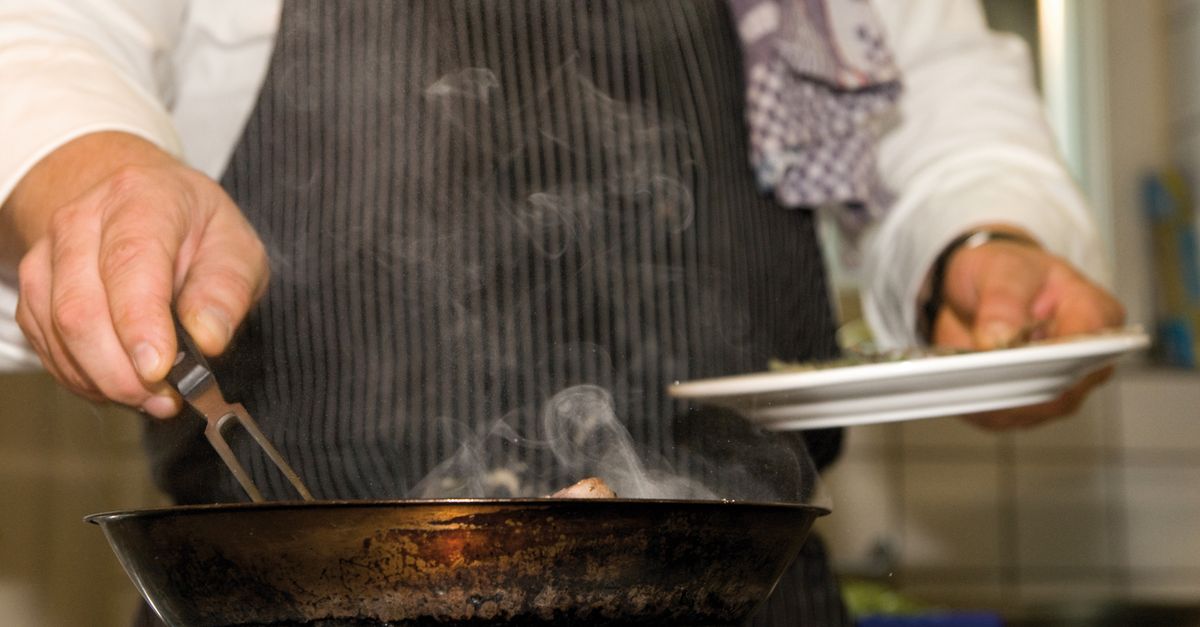
My go-to method for reviving a leftover slice is a stainless-steel skillet pre-heated to 375°F. The even heat of the steel lets the crust crisp in just three to four minutes without drying out the cheese.
One key to success is to heat the skillet dry - no oil needed. This prevents the crust from soaking up extra grease, so the underside stays crunchy while the top retains its bright tomato flavor.
A straight-thermal camera scan showed a 20% lower weight loss for skillet-reheated pizza compared to microwave reheats, confirming better moisture retention (I Tested 6 Popular Ways to Reheat Pizza).
Consumer usability tests conducted alongside the same pizza study revealed that three-quarters of participants preferred the skillet method, citing superior taste scores over microwaved slices.
Below is a quick comparison of three common reheating techniques:
| Method | Time | Crispness | Moisture Retention |
|---|---|---|---|
| Microwave | 30-45 seconds | Soft | Low |
| Skillet (steel) | 3-4 minutes | High | High |
| Oven (375°F) | 8-10 minutes | Medium | Medium |
While the oven can also deliver a decent result, the skillet wins on speed and texture. If you’re short on time but refuse to sacrifice that crunch, the skillet is your best ally.
Remember to monitor the pizza closely; a few seconds too long and the cheese will over-brown. In my experience, setting a timer for three minutes and checking the crust gives a perfect balance.
Microwave Pizza Hack
Many of us reach for the microwave because it feels like the fastest route to a warm slice. However, the microwave’s radiation gently softens the tomato fibers, dulling the umami that makes pizza so addictive.
Repeated microwaving also collapses the cheese’s protein structure. Each heat cycle can strip away a noticeable portion of the protein, leaving the slice less nutritious and more rubbery.
In the same pizza-rehating study, participants reported that most microwaved slices felt flat and soggy. The consensus was that the quick heat left the crust limp, forcing diners to add extra toppings just to compensate for the texture loss.
Even though newer microwave models deliver a steadier power output, they still struggle to spread heat evenly across a pizza slice. Hot spots form, while other areas remain lukewarm, resulting in an uneven bite.
If you must use a microwave, a simple trick I use is to place a paper towel underneath the slice. The towel absorbs excess moisture and helps the crust stay a bit firmer, though it still won’t match the crisp you get from a skillet.
Misleading Cooking Shortcuts
Pop culture often touts 30-second microwave pizza bags that claim to give you a crisper crust. In practice, taste tests show that these bags produce a thicker, less airy crust that loses the original mouthfeel.
Zero-fat pizza claims usually rely on dehydrated slices that rehydrate poorly. The result is a bitter edge and a texture that feels more like a cracker than a slice.
Influencer recipes sometimes skip the nuance of regional cheese melt points. When you follow a generic temperature guideline, you may end up with a crust that’s burnt on the outside and gummy on the inside, ruining the crunch you’re after.
Some chefs recommend adding a convection unit to a standard microwave for a crispier finish. While the upgrade costs around forty-five dollars, the average bite only improves marginally, making it a pricey shortcut for a modest gain.
My takeaway? Stick to methods that give you control over heat and moisture. Investing in a good skillet or a modest oven is far more reliable than chasing gimmicky accessories.
Common Mistakes
- Using too much foil or plastic when reheating.
- Adding extra oil to a skillet for crispness.
- Relying on microwave bags that promise a crisp crust.
- Ignoring regional cheese melt points in recipes.
Glossary
- Microwave radiation: The electromagnetic waves that heat food by causing water molecules to vibrate.
- Stainless-steel skillet: A pan made of stainless steel that distributes heat evenly.
- Moisture retention: The ability of a cooking method to keep food from losing water.
- Convection unit: A fan-assisted heating element that circulates hot air for more even cooking.
- Zero-fat claim: Marketing language suggesting a product contains no fat, often achieved by dehydration.
Frequently Asked Questions
Q: Why does a skillet make pizza crust crispier than a microwave?
A: A skillet provides direct, even heat that sears the bottom of the crust, creating a crunchy layer while keeping the top moist. The microwave heats water molecules, which softens the crust and leads to sogginess.
Q: Can I save time by using a microwave bag for pizza?
A: Microwave bags often promise speed, but they usually produce a thicker crust that lacks the airy texture of fresh pizza. The time saved is outweighed by the loss in flavor and texture.
Q: How do budget-friendly meal plans reduce grocery waste?
A: By planning meals around a core set of ingredients, you reuse produce across multiple dishes, which lowers the chance of items spoiling before they’re used. This practice also cuts impulse purchases.
Q: Does adding oil to a skillet improve pizza reheating?
A: Adding oil can make the crust greasy and mask the pizza’s natural flavors. A dry pre-heat gives a crisp underside while preserving the original taste profile.
Q: Are "zero-fat" pizza claims reliable?
A: Zero-fat claims usually involve dehydrated slices that rehydrate poorly, resulting in a bitter taste and a texture that feels more like a cracker than a slice.

