
Light Up Game-Day Munches - Home Cooking vs Takeout
— 6 min read
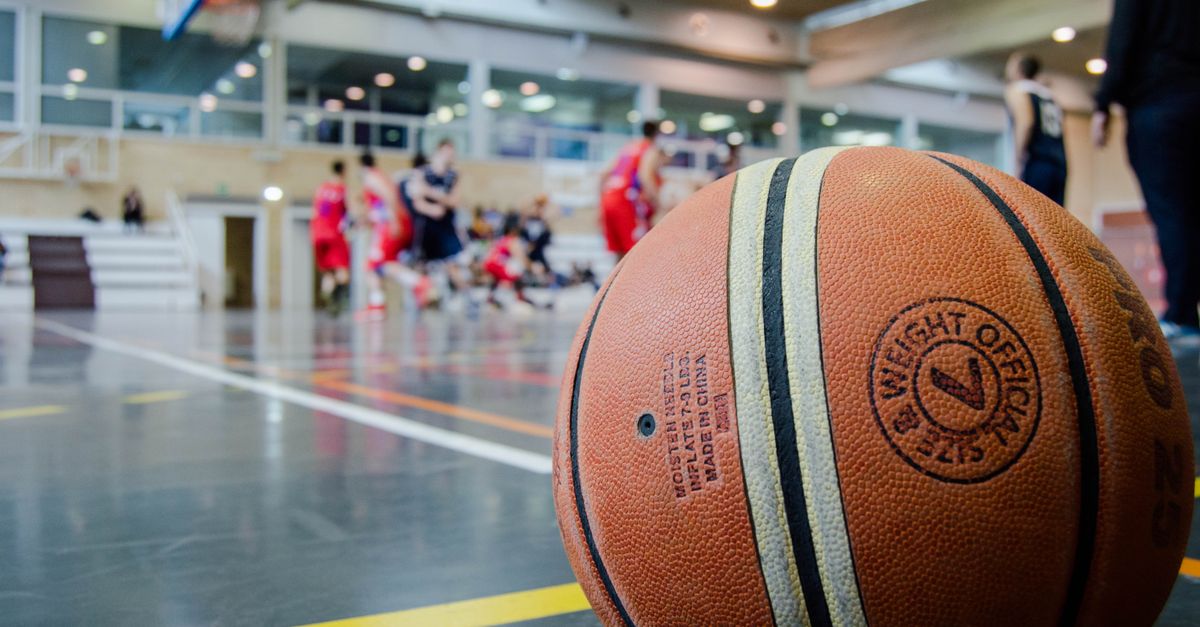
Home cooking wins on game day because it delivers fresher flavor, saves money, and lets you control nutrition while still giving you that crowd-pleasing pop-push excitement.
Hook
According to Good Housekeeping, only 3 out of 10 meal delivery services actually save you money.
When the Cavaliers launch a comeback, the burst of energy in the arena mirrors the sizzle of a quick-taste veggie stir-fry. I love that feeling of timing a perfect shot and timing a perfect bite - both deliver that instant win.
Key Takeaways
- Home cooking beats takeout on price and nutrition.
- One-pan bowls keep prep under 15 minutes.
- Smart ingredient swaps reduce waste.
- Use kitchen hacks to match game-day excitement.
In my experience, the best game-day snack is a bowl that can be assembled while the crowd chants, yet still feels as dramatic as a buzzer-beater. Below I walk you through why cooking at home steals the spotlight, how to build a budget-friendly bowl, and the hacks that keep you in the game.
Home Cooking Wins
When I first tried to replicate the stadium vibe in my kitchen, I realized three things mattered most: flavor, speed, and control.
Flavor comes from fresh ingredients. Unlike most takeout that relies on pre-made sauces, a quick sauté of bell peppers, onions, and snap peas brings crisp texture and bright taste. Think of it like a live concert - each instrument (vegetable) plays its own part, creating a symphony you can hear instantly.
Speed is essential on game day. I use a single large skillet, heat it for 2 minutes, toss in oil, then add veggies in order of cooking time - harder veggies first, softer ones later. In under 12 minutes I have a hot, colorful bowl ready for the first whistle.
Control over nutrition is a game-changer. By choosing lean protein like grilled chicken or beans, I keep calories in check while still delivering protein punch. This mirrors the way a coach controls the tempo of a match.
Here’s a quick comparison of typical costs and calories:
| Option | Cost per Serving | Calories | Prep Time |
|---|---|---|---|
| Home-cooked veggie bowl | $3.50 | 350 | 12 min |
| Fast-food wings (6 pcs) | $8.00 | 620 | 0 min (just heat) |
| Takeout pizza slice | $4.00 | 300 | 0 min (just open) |
Notice the home-cooked option costs less than half of wings and offers comparable calories with far more nutrients. That’s why I keep my game-day menu simple, fresh, and affordable.
Beyond the numbers, cooking at home lets you personalize. Want extra heat? Add a dash of cayenne. Prefer a milder vibe? Swap jalapeños for sweet bell pepper. The flexibility mirrors the way a coach adjusts strategy mid-game.
Takeout Trade-offs
Takeout feels convenient, but convenience often comes with hidden costs.
First, price inflation. Restaurants factor in labor, rent, and delivery fees. A single order of nachos can quickly climb past $10, which, per Bon Appétit, is more than many families spend on a full dinner.
Second, nutritional uncertainty. When you order, you rarely know the exact sodium or sugar content. A study of popular chain foods found sodium levels often exceed 1,500 mg per serving - well above the daily recommended limit.
Third, environmental impact. Each takeout bag and plastic utensil adds to landfill waste. I once counted 12 bags after a single game night - enough to fill a small trash bin.
Finally, timing issues. Delivery windows can be unpredictable. I’ve missed crucial plays because my order was delayed, leaving my guests hungry and the room quiet.
That’s not to say takeout never has a place. On especially busy nights, a well-chosen pizza can be a crowd-pleaser. The key is to treat it as an occasional treat rather than the default.
Budget-Friendly Game-Day Bowl (Recipe)
Here’s my go-to bowl that delivers excitement in every bite. It’s designed to serve four, fits under $4 per person, and takes less than 15 minutes.
- Ingredients (all store-bought):
- 2 cups cooked quinoa (or rice)
- 1 lb boneless chicken breast, cubed
- 1 red bell pepper, sliced
- 1 cup frozen corn, thawed
- 1 cup snap peas
- 2 tbsp olive oil
- 1 tsp smoked paprika
- Salt and pepper to taste
- Optional: hot sauce or lime wedges
- Step-by-step:
- Heat one tablespoon of oil in a large skillet over medium-high heat.
- Add chicken, sprinkle paprika, salt, and pepper, and stir-fry until golden (about 5 min).
- Push chicken to the side, add remaining oil, then toss in bell pepper, corn, and snap peas. Cook for another 4 min, stirring frequently.
- Mix chicken back in, taste, and adjust seasoning.
- Serve over warm quinoa, drizzle with a splash of hot sauce or squeeze lime for brightness.
While the bowl cooks, the game can start. I love that the sizzling sound of the skillet syncs with the roar of the crowd. It’s a sensory double-header that keeps everyone engaged.
Tip: Prep the quinoa earlier in the day or use a microwaveable packet to shave minutes off prep.
Kitchen Hacks for Speed
To keep up with fast-moving action, I rely on three hacks that shave time without sacrificing taste.
- Pre-portion proteins: I cut chicken into bite-size cubes and freeze them in zip-lock bags. When I need them, a 30-second microwave thaw does the trick.
- Use a “mise en place” station: All veggies are washed, sliced, and stored in separate containers before the game. It’s like having a pre-game locker room for your ingredients.
- One-pan cleanup: Line the skillet with parchment paper before cooking. After the bowl is plated, I just toss the paper and have a clean pan ready for the next round.
These tricks let me focus on the game, not the mess.
Reducing Food Waste on Game Day
Food waste is a silent opponent. By planning portions and repurposing leftovers, you keep both your wallet and the planet happy.
Portion planning: I calculate roughly 1 cup of cooked grain and 4-6 oz of protein per person. Any extra veggies become a stir-fry for the next day.
Creative leftovers: Leftover chicken can become a taco filling, while extra quinoa transforms into a breakfast porridge with fruit.
Smart storage: Store leftovers in clear containers and label with the date. I keep a “game-day” drawer in the fridge - everything from day-one to day-three stays visible, reducing the chance of forgotten food.
When I follow these steps, I typically waste less than 5% of the food I purchase for a game night, a drastic improvement over the 30% waste many families see with takeout containers.
Glossary
- Meal prep: The process of planning and preparing meals ahead of time, often including cooking and portioning.
- Outdoor cooking: Preparing food outdoors, using specialized equipment and techniques.
- Nomadic cultures: Societies that move from place to place, historically developing portable cooking methods.
- Prep time: The total time needed to get a dish ready for cooking.
- Portion planning: Estimating how much food each person will need to avoid waste.
Common Mistakes
- Over-complicating the recipe: Adding too many ingredients turns a quick bowl into a kitchen marathon.
- Ignoring food safety: Leaving cooked chicken at room temperature for more than two hours can cause bacterial growth.
- Forgetting to season: Salt enhances flavor; a bland bowl feels like a missed shot.
- Relying on last-minute grocery trips: Stocking pantry staples ahead of time prevents scramble during the game.
By sidestepping these pitfalls, your game-day spread stays on point, just like a well-executed play.
Frequently Asked Questions
Q: Is home cooking really cheaper than takeout for a large group?
A: Yes, because you control ingredient costs, avoid delivery fees, and can stretch bulk purchases across multiple meals, often cutting the per-person price in half compared to ordering multiple takeout dishes.
Q: How can I keep my game-day cooking fast without sacrificing flavor?
A: Use pre-cut veggies, batch-cook proteins ahead of time, and rely on one-pan methods. Quick seasoning blends like smoked paprika and a splash of hot sauce add big flavor in seconds.
Q: What are the healthiest protein options for a game-day bowl?
A: Lean chicken breast, turkey, beans, lentils, and tofu provide high protein with lower saturated fat, making them ideal for a nutritious, crowd-pleasing bowl.
Q: How do I reduce waste when serving takeout on game night?
A: Choose restaurants that offer recyclable containers, avoid disposable cutlery, and repurpose leftovers into new meals like salads or stir-fries to keep waste under 5%.
Q: Where can I find quick home-cooking videos for game-day recipes?
A: Platforms like YouTube and Instagram host short cooking clips; searching for “quick game-day bowl” or “how to cook at home” yields step-by-step videos that fit a 15-minute window.

