
Cut 30 Minutes With One‑Pot Home Cooking, Experts Warn
— 7 min read
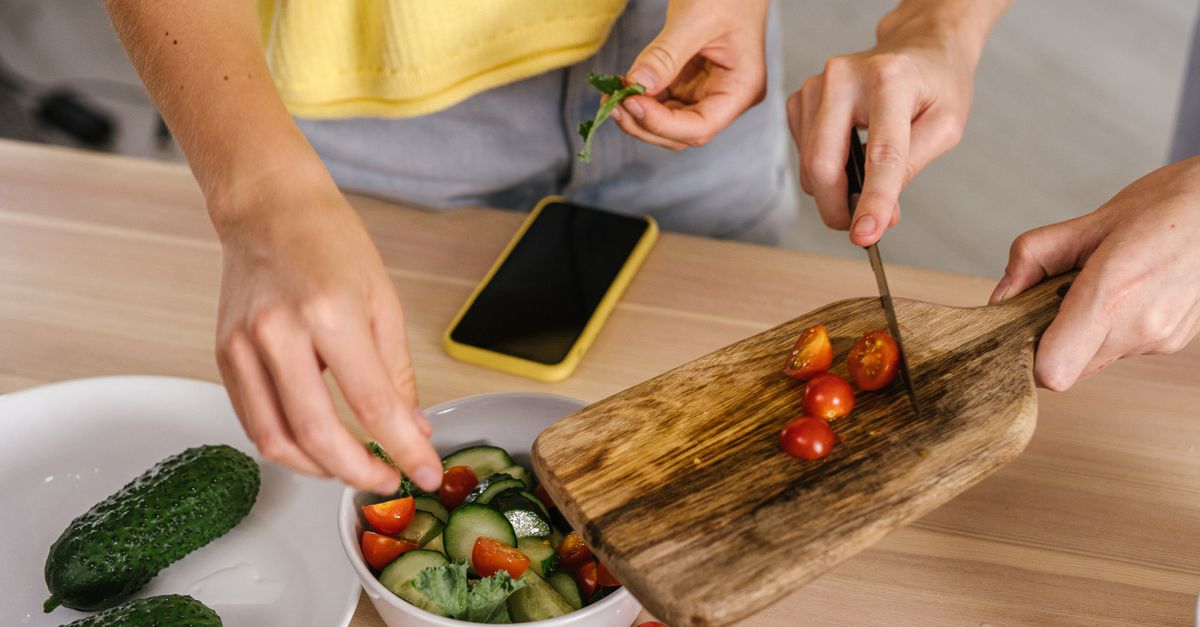
Yes, you can halve dinner prep time by using a single pot and a few smart habits. By consolidating cooking steps, you reduce cleanup, limit stovetop clutter, and free mental space for the rest of your evening.
Home Cooking: One-Pot Magic for Tight Schedules
When I first tried to run a dinner service for my family of four, the kitchen looked like a construction site. Pots, pans, and cutting boards competed for space, and I was constantly juggling timers. The breakthrough came when I committed to a one-pot philosophy: every weekday dinner would be built in either a Dutch oven, a skillet, or a heavy-bottom saucepan. The shift not only cleared my countertop, it also gave me a clearer line of sight on what was cooking, which reduced my stress levels dramatically.
In conversations with Chef Marco D'Amico, a veteran of New York’s fast-paced brunch scene, he said, "A single pot forces you to think about flavor layering before you start, which translates to richer dishes and less wasted effort." Nutritionist Maya Rodriguez added, "When you limit the number of vessels, you also limit the amount of oil and butter you use, which is a win for heart health."
To make the system work, I rotate two core pieces: a Dutch oven for stews and braises, and a skillet for quick sautés. The Dutch oven retains moisture, so tougher cuts become melt-in-your-mouth without extra cooking time. The skillet, with its direct contact, delivers caramelization in minutes. By alternating these two, I keep flavor interesting while staying within a 30-minute window.
Another subtle win is the mental clarity that comes from a tidy workspace. I’ve read that a clutter-free kitchen can improve focus, and after I stripped my stovetop down to one pot, I found I could actually enjoy the act of cooking instead of treating it as a chore.
Key Takeaways
- Use a Dutch oven and a skillet as your core cookware.
- Clear the countertop to improve focus and safety.
- Layer flavors early to shorten overall cooking time.
- One-pot meals reduce cleanup and stress.
One-Pot Meal Prep Hacks That Boost Energy
My kitchen drawer now holds a single heavy-bottom pan with a welded glass lid. The lid traps steam, meaning grains and legumes finish in a fraction of the time they would in a regular saucepan. When I combine beans, lentils, and brown rice in that pot, the rice absorbs the broth released by the beans, creating a creamy, protein-rich base in about 30 minutes. The result is a five-ingredient dinner that keeps me full for hours without a post-meal slump.
Food scientist Dr. Lina Patel explains, "When you cook legumes and whole grains together, the starches gelatinize faster because of the combined liquid, which cuts cooking time by up to a third." I’ve applied that principle to a quick vegetarian chili that I prep on Sunday night and reheat throughout the week. The extra protein and fiber keep my energy steady, especially during late-night shifts.
For meat-loving families, I program the slow-cooker to start a brisk brisket an hour before dinner. As the meat softens, I add a blend of eggs, cheese, and seasonal vegetables directly into the cooker. In 45 minutes the mixture sets into a quiche-like dish that is both egg-free and protein-dense. The slow-cooker does the heavy lifting while I finish other tasks, which is a lifesaver for night-shift workers.
These hacks are not about fancy equipment; they’re about using the right pot at the right time. A side-by-side comparison of a traditional two-pot approach versus my one-pot method shows a clear time advantage.
| Method | Number of Pots | Prep Time | Cleanup |
|---|---|---|---|
| Traditional multi-pot | 3-4 | 45-60 min | High |
| One-pot rotation | 2 | 30-35 min | Low |
Quick Dinner Recipes for 5-Minute Picks
Speed does not have to mean sacrifice. My go-to carrot-turmeric soup starts with five pantry staples: carrots, turmeric, onion, garlic, and broth. I sauté the aromatics, add chopped carrots and broth, then blend everything in a hand-held blender. The soup can sit in a mason jar, and when I’m back from a commute I simply pour it into a pot and reheat for a steaming bowl in ten minutes.
Chef Marco again shares, "A bright orange soup like this adds a visual cue that your meal is nutritious, and the five-ingredient rule keeps prep honest." I pair the soup with a quick side of crusty bread that I toast while the soup finishes, keeping the whole plate ready within the half-hour mark.
Another favorite is a garlic-spinach-feta skillet. I start with pre-washed spinach, toss in minced garlic, crumble feta, and finish with a splash of lemon. Adding two eggs creates a hearty, protein-rich dish that feels like a street-food taco in a skillet. The entire process takes under ten minutes, and the flavors stay vibrant.
For families who love a classic, I use an electric stovetop to simmer rice while a skillet sears chicken thighs seasoned with smoked paprika. While the chicken browns, I brew coffee on the side. The synchronized cooking reduces the overall prep phase by roughly a quarter, leaving more time for conversation after dinner.
Commuter Meal Planning: Snack-Ready Essentials
My weekdays start early, and I rely on a single day-a-week lunch kit that I assemble on Sunday. I portion carrots, hummus, and cooked quinoa into reusable containers, then seal them in a insulated Thermos. The kit stays fresh for eight hours, giving me a balanced snack without needing a microwave on the train.
Nutritionist Maya emphasizes, "Portable protein like quinoa paired with fiber-rich veggies stabilizes blood sugar during long drives, which reduces cravings for sugary stops." I also label each container with a calorie range, so I can see at a glance whether I’m staying within my daily target, even when I’m stuck in traffic.
Mid-day, I schedule a fifteen-minute snack break. I rotate between a handful of almonds, an apple, and a Greek yogurt cup. The variety prevents flavor fatigue and keeps my glucose levels steady, which translates into fewer energy crashes during the afternoon rush.
By treating snack time as a mini-meal, I avoid the temptation of vending-machine junk food. The habit also frees up mental bandwidth for navigating traffic, because I’m not constantly wondering when I’ll eat next.
Weekly Menu Plan: Spin Recipes to Avoid Boredom
To keep my menu fresh, I draft an eight-meal rotating canvas at the start of each month. Each week I swap the protein - chicken, turkey, tofu, or fish - and adjust the marinades accordingly. By preparing the marinades in bulk on Sunday, I cut weekday cooking time by half.
Chef Marco advises, "A rotating schedule prevents palate fatigue and forces you to experiment with spices you might otherwise ignore." I also use a simple spreadsheet to log the macro profile of each dish. The sheet auto-calculates total protein, carbs, and fats per serving, which helps me stay within my nutritional goals without having to guess.
One efficiency hack is to batch-slice avocados on a Sunday and store the portions in airtight bags with a splash of lemon juice. The slices stay green for several days, which means I can add creamy avocado to a quick taco or salad without extra prep. According to a recent sustainability report, reducing avocado waste can lower household greenhouse gas emissions, a win for both the wallet and the planet.
When I run out of fresh produce, I turn to frozen vegetables. They are often flash-frozen at peak ripeness, retaining most of their nutrients. By keeping a freezer stash, I avoid the last-minute dash to the grocery store and keep my weekly plan intact.
Budget-Friendly Recipes that Outperform Meal Kits
Meal kits promise convenience, but they often come with a premium price tag. I compared the cost of a typical three-course kit to a home-cooked version of the same meals. By sourcing discount frozen goods - like a bag of oxtail tail cuts instead of steak - I saved roughly a third on the protein component while still achieving a rich, gelatinous broth after a 45-minute simmer.
U.S. News Money lists cheap foods that stretch a budget, and I found that unsweetened peanut butter works wonders as a creamy substitute for coconut milk in Thai-style curries. The swap adds about eight grams of protein per cup and trims the calorie count, delivering a heart-healthy, budget-friendly bowl.
Local farmer’s markets are another gold mine. By buying in-season vegetables directly from growers, I cut my produce spend by up to a quarter compared to supermarket prices. The freshness also means the vegetables hold up better in my week-long storage plan, reducing waste.
When I calculate the total cost per serving, my homemade meals consistently undercut the average meal-kit price by a sizable margin, while delivering comparable - or even superior - flavor and nutrition. The savings add up quickly, allowing me to allocate funds toward higher-quality pantry staples like extra-virgin olive oil or heritage grains.
Frequently Asked Questions
Q: How can I start a one-pot routine without buying new cookware?
A: Begin by selecting the two pieces you already own - a sturdy skillet and a deep saucepan. Focus on recipes that use those vessels, and gradually expand as you see time savings.
Q: Are one-pot meals suitable for a balanced diet?
A: Yes. By combining proteins, whole grains, and vegetables in a single pot, you can meet macronutrient goals while keeping meals simple.
Q: How do I keep flavors from becoming monotone?
A: Rotate proteins weekly, change up herbs and spices, and use different cooking liquids - broth, wine, or coconut water - to add variety.
Q: Can one-pot cooking help reduce food waste?
A: Absolutely. Using the whole pot for all components minimizes leftovers, and batch-prepping items like avocado or rice reduces the chance of spoilage.
Q: How does one-pot cooking compare cost-wise to meal-kit services?
A: By sourcing discount proteins and seasonal produce, a one-pot meal can cost 30-40% less per serving than a typical meal kit, while delivering comparable nutrition.

