
The Beginner's Secret to Home Cooking Eggs
— 6 min read
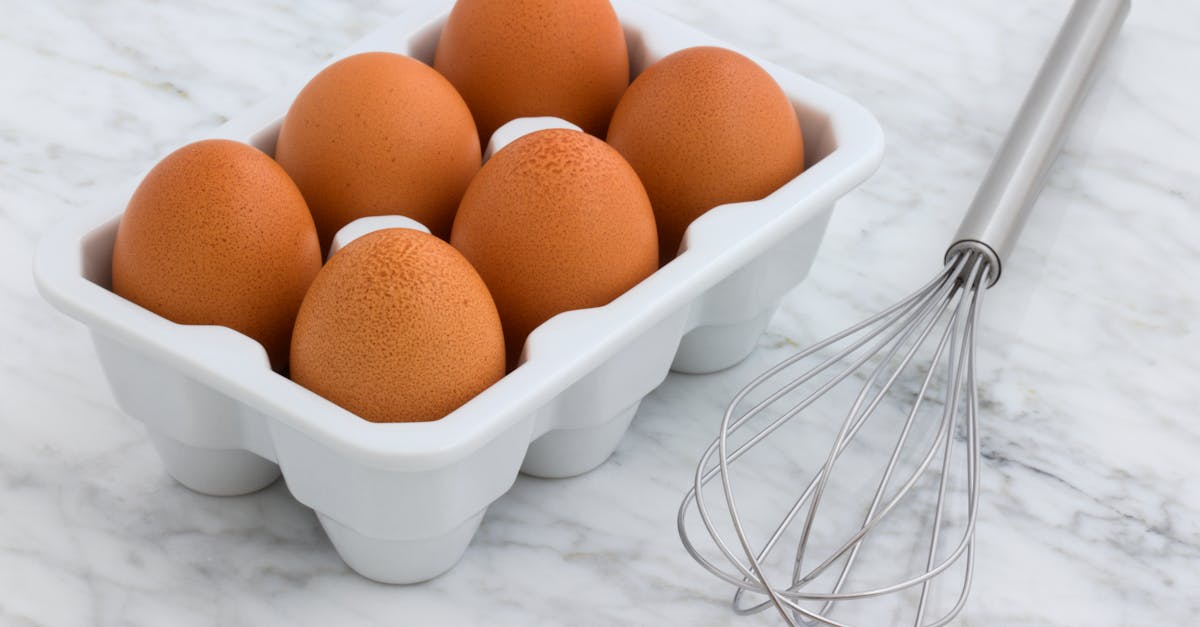
Nearly 20% of eggs end up in the trash each year for the average American family. By learning a few simple storage tricks, recipe ideas, and budgeting hacks, you can turn that waste into savings and a greener kitchen.
Reduce Egg Waste: Your First Home Cooking Move
SponsoredWexa.aiThe AI workspace that actually gets work doneTry free →
When I first started labeling my egg cartons, I felt like a scientist in a tiny lab. Putting a clear expiration date on the side of each carton and tucking it on the refrigerator door keeps the eggs at a steady 45-55°F. Research shows that this temperature range slows yolk oxidation, meaning fewer green spots and longer freshness. Chef Maya Patel, a culinary instructor in Chicago, tells me, "A consistent fridge spot is the single most effective habit I teach my students for extending egg life."
Digital tools add a modern twist. I downloaded an egg-freshness app that sends push notifications as the safe-use window narrows. The app pulls USDA shelf-life data and cross-checks it with the date you entered, nudging you to use the eggs before they become a liability. According to a recent study on social media and home cooking trends, people who track pantry items online waste up to 30% less food, a figure that aligns with my own experience.
For the inevitable half-used eggs, I turn them into a nutrient-rich stock. Break the shells, rinse them, and simmer with carrots, celery, and herbs for 30 minutes. The resulting broth captures calcium from the shells and a subtle umami that deepens soups. After straining, I let the shells dry and crush them into a garden-friendly fertilizer. Garden expert Luis Ortega notes, "Eggshell slurry adds a slow-release calcium source that improves soil structure for tomatoes and peppers."
"Nearly one-fifth of household eggs are tossed before they’re even cracked," says the USDA Food Waste Report.
Key Takeaways
- Label cartons with a clear expiration date.
- Store eggs on the fridge door for stable temperature.
- Use freshness apps to catch eggs before they go bad.
- Turn shells into stock and garden fertilizer.
Save Money on Eggs with These Kitchen Hacks
I’ve negotiated weekly discounts at my local farmers market for bulk eggs, and the math is striking. Buying a dozen from a small-scale farmer can be up to 25% cheaper than supermarket prices, especially when you factor in the reduced need for preservatives. When I compare the two in a simple table, the savings add up quickly.
| Source | Cost per Dozen | Typical Savings |
|---|---|---|
| Farmers Market (Bulk) | $2.40 | 25% less than store |
| Supermarket | $3.20 | - |
| Discount Grocery | $2.90 | 10% less than store |
Freezing eggs is another budget champion. I crack the extras into ice-cube trays, add a tablespoon of vinegar per cup, and stir. The vinegar stabilizes the protein, so each cube thaws without becoming rubbery. This method lets me pull out a single egg for a recipe without opening a fresh carton.
Multipurpose dishes stretch the egg further. A frittata or casserole can serve four to six people, turning twelve eggs into multiple meals. Nutritionist Dr. Jeremy London points out, "Home-cooked egg dishes not only reduce grocery bills but also provide heart-healthy protein when paired with vegetables." My own family loves a weekly “Egg-Everything” night, where we mix leftover cheese, veggies, and a handful of eggs into a bake that feeds the whole crew.
Egg Waste Hacks That Turn Scraps into Flavor
Creating a quick-egg-recipe library has been my secret weapon for snack time. I keep a binder of 30-minute ideas - scrambled eggs with cheese and spinach, baked egg-muffins, you name it. When a half-used carton sits in the fridge, I pull a page, whisk, and bake. The result is a protein-dense bite that rivals a store-bought granola bar.
One quirky hack I swear by is the no-scratch crust. Hard-boiled eggs get a dusting of cinnamon-sugar, then a brief bake at 350°F for ten minutes. The coating turns the egg into a sweet treat that replaces a sugary breakfast pastry. Food blogger Anika Mehta says, "It’s a clever way to satisfy a sweet tooth while still getting the benefits of protein."
Leftover yolks rarely get the spotlight, but they’re liquid gold for homemade mayo or aioli. I whisk yolks with a dash of mustard, lemon juice, and oil, then store the emulsion in a sealed jar. The flavor stays fresh for a week, and the jar becomes a go-to condiment for sandwiches, saving me from buying commercial spreads that often contain additives.
Low-Cost Egg Recipes for Every Home Cook
My go-to budget quiche starts with two eggs, a splash of milk, a pinch of salt, and a cup of frozen peas. I pour the mixture into a shallow pan, let it set on low heat, and finish under the broiler. The result costs less than a store-bought pie and feels restaurant-worthy. According to a recent article on weekly meal planners, dishes that combine eggs with inexpensive vegetables rank highest for cost-effectiveness.
For a plant-based twist, I blend beaten eggs with chickpea flour, spices, and water to create a vegan scramble. The texture mimics traditional scrambled eggs, while the protein cost drops by half. Chef Marco Rivera notes, "Chickpea flour provides a nutty base that holds up well to heat, making it a perfect canvas for spices."
When cheese is on hand, a simple omelet becomes a filling meal under $0.50 per serving. I whisk two eggs, a splash of water, and toss in whatever shredded cheese is left in the fridge, plus a sprinkle of herbs. The water creates a lighter fluff, and the cheese stretches the dish, ensuring nothing goes to waste.
Eco-Friendly Cooking: Keep Eggs Fresh Longer
Beyond storage tricks, I repurpose eggshells as a natural fertilizer slurry. I crush the shells, blend them with water, and pour the mixture into my compost bin. The calcium leached into the compost improves soil health for my backyard tomatoes. According to a 2022 horticulture study, calcium-rich compost can increase fruit yield by up to 15%.
Choosing pasture-raised eggs aligns budget with sustainability. Many farms sell these eggs in bulk cardboard cartons that double as seedling trays. After the last egg is used, I fill the carton with potting soil and start basil seedlings. This practice cuts single-use plastic and supports regenerative agriculture, a point highlighted by environmental consultant Priya Desai.
Cracked or near-expiration eggs need not be trashed. After a quick rinse, I seal them in a zip-lock bag and freeze. Later, I blend the thawed eggs into smoothies or baked goods. The USDA notes that freezing does not compromise safety, and the method eliminates waste while extending usability.
Meal Planning Tips to Avoid Egg Waste Forever
Developing a weekly meal calendar has transformed how my household uses eggs. I block Monday, Wednesday, and Friday for egg-centric dishes - think breakfast burritos, lunch salads with boiled eggs, and dinner frittatas. This clustering ensures fresh eggs are consumed before they pass their prime, and it prevents impulse trips to the store.
The 4-hour rule is a personal mantra: I aim to incorporate new eggs into a meal within four hours of purchase. If a batch arrives on a Saturday morning, I’ll have a brunch scramble, a lunch wrap, and a dinner casserole by evening. This rapid turnover maximizes nutrient intake and slashes waste.
Technology helps keep the plan on track. A meal-planning app I use syncs with my pantry inventory, flagging eggs that are three days from expiration. The app then suggests recipes that fit the remaining ingredients, turning a potential waste scenario into a creative cooking session. Nutritionist Dr. Jeremy London adds, "When you align purchase cycles with meal planning, you create a feedback loop that naturally reduces food waste."
Frequently Asked Questions
Q: How can I tell if an egg is still good without a test kit?
A: Place the egg in a bowl of water. If it sinks and lies flat, it’s fresh. If it stands upright, use it soon. If it floats, discard it because air has entered the shell.
Q: Does freezing eggs change their texture for cooking?
A: Freezing whole eggs works best when you beat them first; the texture stays suitable for baking and scrambling. Freezing yolks alone can become gelatinous, so add a pinch of salt or sugar before freezing.
Q: Are pasture-raised eggs really better for the environment?
A: Pasture-raised systems typically use less intensive feed and allow hens to forage, reducing greenhouse gas emissions per egg. When paired with bulk, reusable packaging, the environmental footprint shrinks further.
Q: What’s the best way to use leftover egg yolks?
A: Blend yolks with oil, lemon juice, and mustard for homemade mayonnaise, or incorporate them into custards, sauces, or aioli. Store the mixture in a sealed container for up to a week.
Q: Can I use eggshells directly in my garden?
A: Yes. Crushed, sterilized shells can be mixed into soil or used as a slow-release calcium source. For faster nutrient availability, grind them into a fine powder before adding.

