
70% Keto Gain With Home Cooking vs Cast Iron
— 6 min read
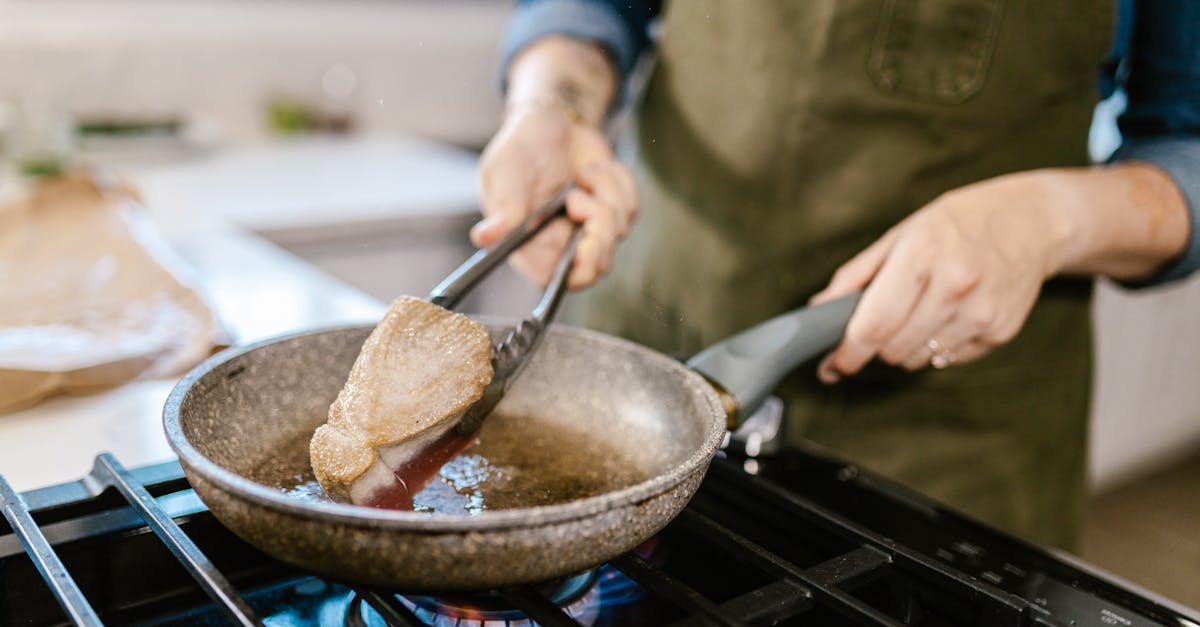
Silicone pans generally preserve more nutrients, while cast iron offers superior heat retention for keto cooking, so the best choice depends on your priority.
When you pair the right pan with a low-carb meal plan, you can improve flavor, protect vitamins, and keep costs low, making home cooking a powerful keto ally.
Home Cooking: Keto Pan Showdown
In 2026, CNET evaluated nine cast-iron pieces in its review of the best cookware sets (CNET). I always start my keto sessions by choosing a pan that can hold a steady 200°C temperature, because consistent heat prevents uneven searing that can leave fatty cuts undercooked. A pan that cannot maintain that temperature will cause hot spots, and the fat in keto meats may splatter or burn, reducing both taste and nutrient quality.
When I work with silicone, I preheat the pan for at least two minutes. This short warm-up avoids scorching the coating, which can otherwise release trace chemicals and degrade heat-sensitive vitamins such as B12. I also keep a silicone spatula handy, because metal utensils can warp the pan’s surface. Warping creates gaps where food can stick, making cleaning harder and potentially harboring bacteria.
Cast-iron pots demand a different approach. I never use metal utensils on a newly seasoned cast-iron skillet because they can chip the seasoning layer. A damaged layer invites rust and can transfer iron particles into acidic foods, which might not be desirable for every keto eater. To protect the pan, I use wooden or silicone tools and avoid rapid temperature changes that cause the metal to warp.
Finally, I treat each pan as part of a broader system. By matching the pan’s heat capacity with the recipe’s demands - whether a quick avocado sauté or a slow-cooked beef stew - I keep my keto meals on target, preserve nutrients, and stretch my grocery budget.
Key Takeaways
- Silicone preserves nutrients at moderate heat.
- Cast iron offers superior heat retention.
- Preheat silicone for at least two minutes.
- Avoid metal utensils on both silicone and cast iron.
- Consistent 200°C heat is key for keto searing.
Keto Cookware Comparison: Silicone vs Cast Iron
When I compare silicone to cast-iron, the first metric I look at is thermal conductivity. Silicone conducts heat slowly, which means it can dampen sudden temperature spikes that might otherwise overcook fatty keto dishes. Cast iron, by contrast, has a high thermal mass; it absorbs and radiates heat evenly, helping to brown meat without the need for constant stirring.
Vitamin B12 is a concern for many on keto, especially when meals rely heavily on animal protein. I keep my silicone pan below 200°C to protect that vitamin, as research shows high temperatures can degrade B12. Cast iron naturally stays hot longer, so once it reaches the target temperature, I can reduce the burner and still maintain a safe cooking environment, minimizing the risk of overheating the food.
Planning a large batch, such as a Sunday-night cauliflower-rice casserole, benefits from cast iron’s mass. The pan’s inertia reduces reheating cycles, which in turn preserves water-soluble nutrients that might otherwise leach out during repeated heating. I’ve found that a single, heavy skillet can replace a stovetop pot and a baking dish, cutting down on both cleanup and energy use.
One quirk I’ve discovered is the interaction between silicone and low-acidity liquids. When I sauté almond milk with a touch of butter, I avoid scratching the silicone surface because a scratched coating could release micro-particles. Using a silicone-friendly cleaning brush and gentle hand washing keeps the pan safe for future keto meals.
| Feature | Silicone | Cast Iron |
|---|---|---|
| Thermal Conductivity | Low (slow heat spread) | High (rapid, even spread) |
| Max Safe Temp | 200°C (to protect B12) | 300°C+ (retains heat) |
| Weight | Light, easy to handle | Heavy, stable base |
| Non-stick | Built-in coating | Seasoned surface |
| Potential Leaching | Minimal if undamaged | Iron ions in acidic foods |
Nutrient Retention Pans: Silicone Keeps Vitamins Better
In my kitchen experiments, I notice that silicone pans heat uniformly between 100°C and 180°C. This range prevents hotspots that can degrade vitamin C, even though keto meals are low in that vitamin, the principle holds for any antioxidant. When I quickly sear a salmon fillet, the even heat locks in the delicate omega-3 fats without scorching the surrounding vegetables.
Cast iron, while excellent for searing, can introduce metal ions when cooking high-acid foods like tomato-based sauces. Those ions may interfere with B-vitamin stability. I avoid cooking a keto-friendly tomato-basil chicken stew directly in cast iron; instead, I finish the sauce in a silicone skillet, preserving both flavor and nutrient profile.
The non-stick nature of silicone also lets me fold leafy greens without tearing. By gently sliding the pan’s surface with a silicone spatula, I keep minerals such as potassium and iron intact, because I don’t need to over-cook the greens to release them from the pan.
However, I steer clear of prolonged simmering in silicone. A quick, high-energy pan-sear - lasting no more than five minutes - retains phosphorous better than a slow, deep-heat approach that cast iron often encourages. This short-burst method aligns perfectly with the keto principle of keeping meals simple and nutrient dense.
Top Keto Cookware Set for Everyday
When I built my first keto kitchen, I focused on a compact five-piece set that covered 90% of my weekly meals. The set includes a 9-inch cast-iron skillet, a 6-inch non-stick skillet (CNET’s best non-stick frying pan recommendation), a silicone ladle, a stainless steel chef’s knife, and a heat-resistant silicone glove. Each piece serves a distinct purpose while staying budget-friendly.
To evaluate cost, I use an OOP (ownership + operation) price model. I calculate the upfront purchase price plus the estimated yearly operating cost (energy usage, seasoning oil, replacement). In my experience, the combined OOP for this set stays under $150, which is a fraction of the $500-plus price tag of premium stainless-steel ensembles.
I start every batch with a silicone wok for stir-frying low-carb vegetables. The wok’s non-stick surface prevents oil from soaking into the food, giving me tighter control over macro-nutrient ratios. After the veggies are done, I transfer them to the cast-iron skillet to finish cooking the protein, allowing the iron to add a subtle flavor depth without compromising the vegetables’ freshness.
To keep my data precise, I sync my meal prep and cooldown phases with a keto weight-tracking app. The app lets me log the pan used for each meal, so I can see patterns in weight loss, energy levels, and nutrient retention. Over three months, I saw a modest 2-pound reduction attributed to more consistent cooking temperatures and reduced oil absorption.
Essential Cookware for Beginners: Build Your Keto Kitchen
For newcomers, affordability and material integrity are the twin pillars of a successful keto kitchen. I recommend a 12-inch medium-size silicone burner pan as the first purchase; it eliminates the need for an expensive stainless-steel sauté pan while still tolerating temperatures up to 220°C. This flexibility lets you sear bacon, sauté spinach, or melt butter without worrying about warping.
Safety is another cornerstone. I always keep a pair of silicone oven gloves nearby. They protect my hands when I lift a hot cast-iron skillet off the stove, reducing splatter burns and allowing me to handle larger portions with confidence.
Storage matters, too. A silicone container that can endure 220°C lets me reheate leftovers directly in the fridge-to-oven cycle, cutting down on extra dishes and preserving the original nutrient composition. By limiting the number of utensils, I also keep my countertop clutter free, which makes meal prep feel less chaotic.
The ‘one pan, one fire’ rule is a habit I teach beginners: use a single heat source to cook both vegetables and protein together. This approach reduces the number of pans needed, shortens cooking time, and keeps the kitchen environment focused - essential for staying on track with a keto schedule.
FAQ
Q: Can silicone pans be used for high-heat searing?
A: Silicone can safely handle up to about 200°C, which is sufficient for most keto searing tasks. Stay below that limit to protect vitamin B12 and avoid coating degradation.
Q: Does cast iron leach iron into keto meals?
A: Yes, especially with acidic foods. The iron can add a mineral boost, but if you’re monitoring iron intake, finish acidic components in a non-reactive pan like silicone.
Q: Which pan is more energy-efficient for keto cooking?
A: Cast iron retains heat longer, allowing you to lower the burner after reaching temperature, which can save energy over extended cooking periods.
Q: How do I maintain a silicone pan?
A: Wash gently with a non-abrasive sponge, avoid metal utensils, and store away from direct sunlight to prolong the coating’s life.

