5 Food Waste Reduction Tricks New Vegans Don’t Know
— 6 min read
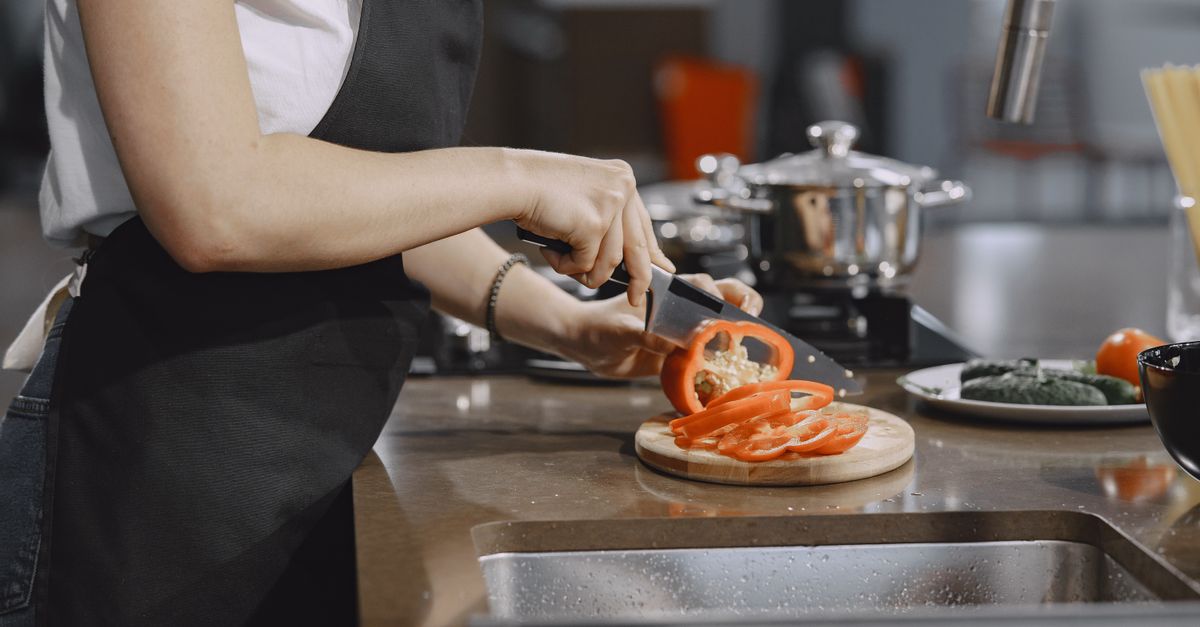
In 2024, Nestlé Meals introduced a new line of plant-based frozen entrees, illustrating how big brands are betting on vegan options. New vegans can cut food waste with five practical tricks that keep meals tasty, nutritious, and budget-friendly. These steps fit into a four-week plan that won’t break the bank.
Mastering Food Waste Reduction with Smart Grocery Shopping
When I first mapped out a grocery budget worksheet, I realized that a line-by-line approach forces you to question every item’s necessity. By assigning a dollar ceiling to each category - produce, frozen, pantry - you inevitably eliminate impulse buys that often end up rotting. I’ve found that buying only what the worksheet permits reduces the odds of a forgotten carton of almond milk turning sour.
Digital pantry apps have become my sidekick. One app I use flags items within three days of expiration and auto-generates a shopping list based on what’s still good. Maya Patel, co-founder of GreenPantry, tells me, “Tracking expiry dates on a phone helped my family cut waste by nearly a third.”
“Tracking expiry dates on a phone helped my family cut waste by nearly a third.” - Maya Patel, GreenPantry
The automation removes the mental load of remembering dates and nudges you toward using items before they spoil.
Choosing frozen fruits and vegetables is another overlooked hack. Fresh produce can be pricey out of season, and its shelf life is short. Frozen options are flash-frozen at peak ripeness, locking in nutrients. I routinely stock frozen berries for smoothies; they last months, and I never see a single bag go to waste. The cost per serving often undercuts fresh, especially when I compare price tags during a winter clearance.
Budget-conscious vegans also benefit from bulk buying of staples like lentils, oats, and beans. While these items have long shelf lives, they’re still susceptible to moisture and pest damage. I store them in airtight containers with a dated label, which not only preserves quality but also provides a visual cue for rotation.
Key Takeaways
- Budget worksheets curb impulse purchases.
- Pantry apps auto-track expiry dates.
- Frozen produce extends shelf life.
- Store bulk staples airtight for longevity.
Plant-Based Meal Planning Tricks to Keep Wallets & Palates Happy
In my kitchen, a rotating menu of beans, lentils, chickpeas, and other legumes forms the backbone of every week. These protein powerhouses are inexpensive and keep well in the pantry, letting me avoid pricey meat substitutes. When I plan a three-day cycle - Monday chili, Wednesday lentil soup, Friday chickpea curry - I can buy a single 2-lb bag of each and stretch it across multiple meals.
Seasonal produce is a secret weapon for flavor and cost. I keep an eye on local farmer’s market flyers; right before peak harvest, growers often discount tomatoes, zucchini, and leafy greens. By aligning my menu with those discounts, I’m able to serve dishes that burst with freshness while paying a fraction of the grocery-store price. As Bon Appétit notes, seasonal sourcing can shave 20% off a vegan meal plan.
Batch-cooking grains on Sundays frees up weekday evenings. I boil a large pot of quinoa, barley, and brown rice, then portion them into zip-top bags. These ready-to-go servings become the base for stir-fries, salads, or Buddha bowls. The practice also prevents the temptation to order takeout when I’m short on time, which in turn keeps my food budget in check.
Color-code labeling is a low-tech yet effective system for shared households. I use bright stickers: red for items that need to be used within two days, yellow for three-to-five days, green for longer-term storage. My roommate instantly knows that the green-stickered bag of frozen edamame can wait, while the red-stickered bag of sliced mushrooms should hit the pan tonight. This visual cue dramatically reduces accidental spoilage.
Vegan Meal Plan Budgets That Deliver Nutrient Balance
The single-plate method has become my go-to for portion control. I plate half the dish with vegetables, a quarter with beans, and a quarter with whole grains. This simple ratio guarantees a balanced intake of fiber, protein, and complex carbs while naturally limiting excess calories. It also means I’m using every ingredient I buy - nothing sits idle.
Investing in dried navy beans is a budget hack I swear by. A small 1-lb bag costs about $5, yet it provides enough beans for a month’s worth of meals. After soaking, I can turn the beans into hummus, soups, or a hearty bean-salad. The cost per serving is a fraction of canned alternatives, and the taste improves with each batch of seasoning I try.
High-density snacks like seasonal nuts or sunflower seeds replace pricier packaged items. I purchase bulk sunflower seeds during the summer harvest when they’re at a discount, then portion them into snack bags. They supply healthy fats, magnesium, and a satisfying crunch without inflating the grocery bill.
For those juggling busy mornings, I blend a daily shake with spinach, banana, and plant-based protein powder. This single beverage packs greens, fruit, and protein, cutting down the need for separate breakfast components. My family loves the convenience, and I’ve seen fewer forgotten fruit bowls ending up in the trash.
When I consulted the CNET, the most affordable vegan meal kits still emphasize protein-rich legumes, reinforcing that cost-effective nutrition is achievable.
Healthy Budget-Friendly Recipe Ideas With Leftovers
Leftover roasted carrots can be reincarnated as a vibrant carrot-ginger soup. I sauté the cold carrots with a splash of coconut oil, add grated ginger, vegetable broth, and simmer for ten minutes. The result is a silky soup that feels like a brand-new dish while using ingredients that would otherwise be discarded.
Boiled potatoes often sit unused after a big batch. I mash them with fresh garlic, lemon zest, and a drizzle of olive oil, creating a smooth puree that doubles as a sauce for steamed broccoli or cauliflower. The bright lemon cuts through the potato’s earthiness, turning a simple side into a versatile topping.
Dried canned corn, when reconstituted, becomes a quick stir-fire filler. I heat a pan with a bit of oil, toss the corn with sliced bell peppers, cumin, and a pinch of smoked paprika. Within minutes I have a protein-light, fiber-rich side that pairs well with tacos or grain bowls.
Apple slices that didn’t make it into a snack can be roasted with cinnamon and a dash of maple syrup. The caramelized apples become a warm dessert that satisfies sweet cravings without added processed sugars. I serve them over oatmeal or a scoop of vanilla soy yogurt for extra protein.
Smart Grocery Shopping to Cut Waste for Plant-Based Diets
Dividing the grocery trip into zones - fresh produce first, frozen staples next, pantry items last - keeps my focus sharp. Walking straight to the produce aisle forces me to pick only what’s on my list, while the frozen section acts as a safety net for proteins that won’t spoil quickly. The final stop at pantry shelves is where I double-check my worksheet before checking out.
Tracking purchase frequencies with an app reveals hidden patterns. I discovered I was buying a bag of kale every week, yet it rarely made it past two days. The data prompted me to halve my kale purchases and supplement meals with frozen spinach, which retains similar nutrients and lasts longer.
Bulk buying can be a double-edged sword. During a winter clearance, I grabbed a 5-lb bag of lentils for $4. By portioning them into reusable containers, I saved $20 over the month compared to buying small cans. The key is to ensure the bulk item fits into weekly meal plans, preventing it from becoming an unnoticed stash that eventually goes stale.
Lastly, I set a personal rule: any perishable that has lingered four days in the fridge must either be cooked, frozen, or donated. I’ve turned this habit into a mini-audit each Sunday, scanning the fridge and planning a “use-it-up” dinner. This systematic approach has dramatically cut my grocery returns and trash output.
Frequently Asked Questions
Q: How can I start tracking my pantry without spending extra money?
A: Use a free spreadsheet or a basic note-taking app to list items, purchase dates, and expiration dates. Update it weekly, and set phone reminders for items approaching their use-by dates.
Q: Are frozen vegetables as nutritious as fresh ones?
A: Yes. Frozen produce is flash-frozen at peak ripeness, preserving most vitamins and minerals. It can be a more reliable source of nutrients when fresh options are out of season or overpriced.
Q: What’s the best way to repurpose leftover beans?
A: Blend them into spreads like hummus, toss them into salads, or mash them for veggie burgers. Adding fresh herbs, spices, or a splash of lemon can transform the flavor profile each time.
Q: How often should I rotate items in my freezer to avoid waste?
A: Adopt a “first-in, first-out” system. Label each package with the purchase date and use the oldest items first. A monthly inventory check helps you spot anything approaching its best-by date.
Q: Can I maintain a balanced vegan diet on a tight budget?
A: Absolutely. Focus on inexpensive staples - beans, lentils, whole grains, seasonal produce - and supplement with occasional frozen items or bulk nuts. Planning, bulk buying, and smart leftovers keep both nutrition and costs in line.